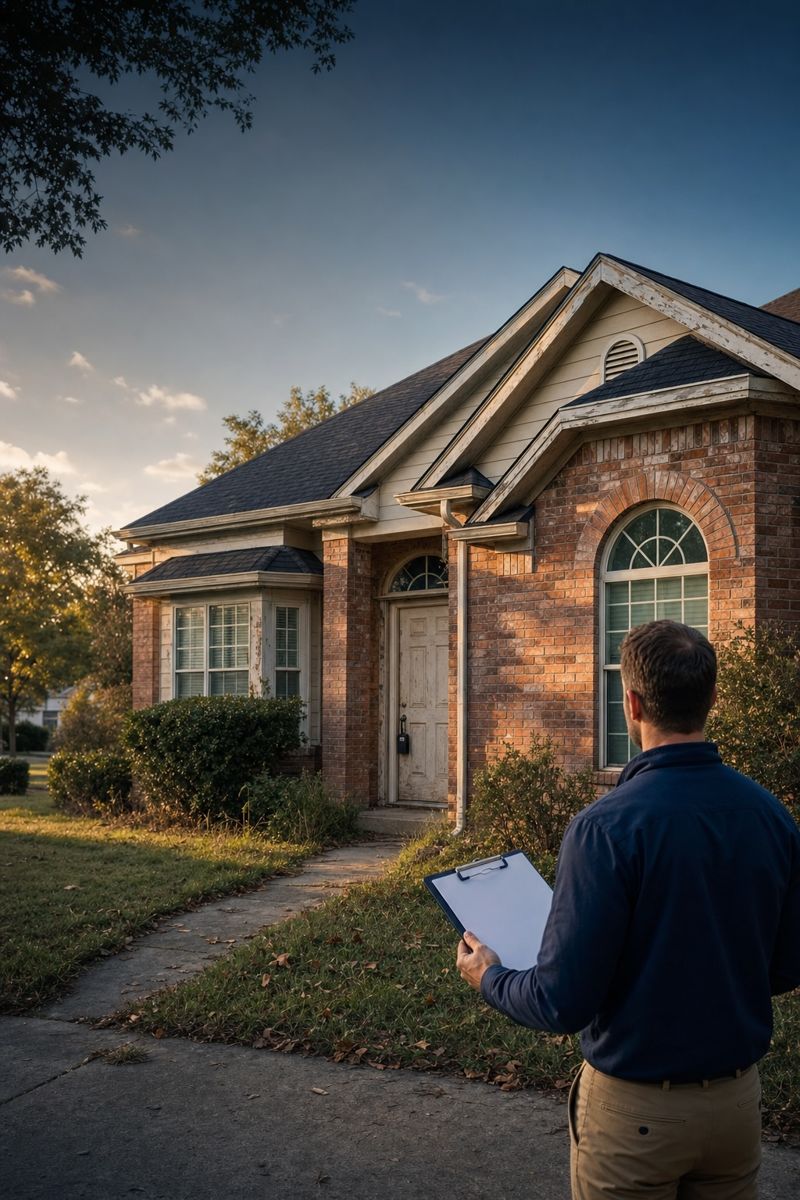
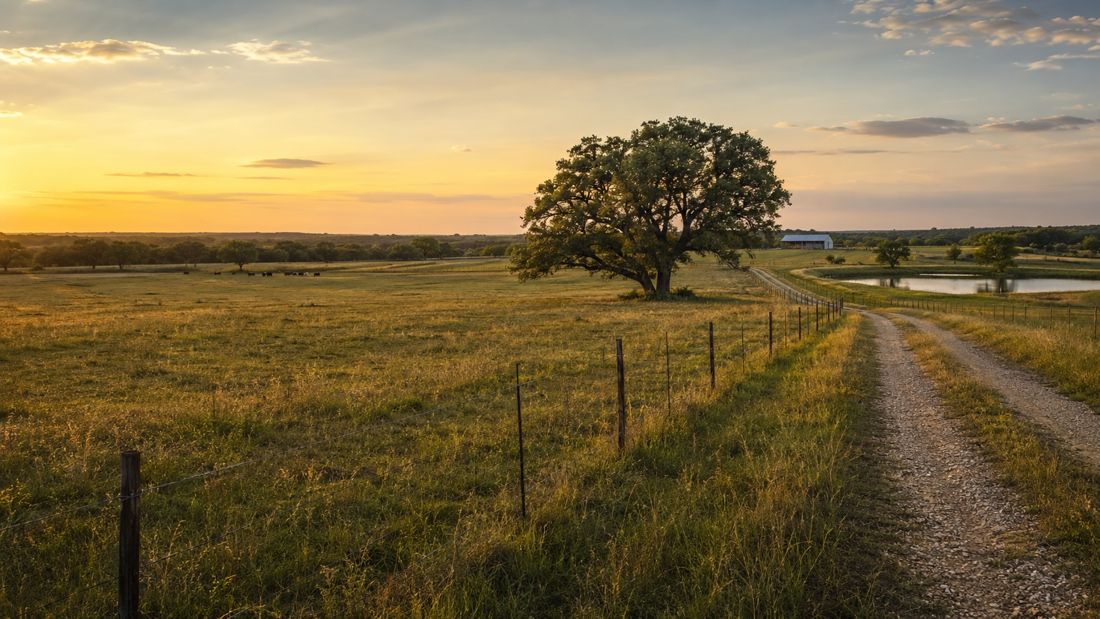
The per-acre price on a land listing is the beginning of the conversation, not the end. Out here, what you actually pay to own and use a tract depends on how it is taxed, whether it has water and a way to handle sewage, and what rights come with the dirt. Here is what we make sure buyers understand before they sign.
"Ag exemption" is not an exemption
What people call an 'ag exemption' is really a special appraisal: land in qualifying agricultural use is taxed on its productivity value rather than its market value, under what the Tax Code calls 1-d-1 open-space valuation. On a tract that could sell for real money, that difference can cut the taxable land value dramatically. It is one of the biggest reasons Texas land is worth owning.
Two things to know. First, the special valuation applies to the land, fences, and certain improvements like stock tanks and irrigation wells — not to the house, which is still appraised at market value. Second, it is not automatic. You apply through the county appraisal district, generally by April 30.
You have to qualify — and stay qualified
To get 1-d-1 open-space valuation, the land generally must have been in agricultural use for five of the past seven years, and it must be in principal agricultural use in the current year at the intensity typical for the area. A tract that has been sitting idle may not qualify on day one, which changes your tax math until you re-establish use.
Wildlife management is an accepted use under the same statute, which is how a lot of owners keep the valuation without running cattle — but it comes with its own plan and reporting requirements. We flag whether a tract currently carries the valuation and what it would take to keep it.
The rollback tax — the one that surprises people
If you take land out of agricultural use — say you subdivide it or build something non-ag — the county can claw back the tax savings. For open-space land, the current rollback is the difference between what you paid and what you would have paid at market value for the three years before the change, plus five percent interest (the 2019 Legislature reduced this from five years and seven percent).
That can be thousands of dollars, and it is triggered by the change of use, not by the sale. If your plan is to buy an ag-valued tract and immediately build a subdivision, price the rollback in before you offer.
Water: a well is not a given
Most raw tracts out here are not on city water. That means a well — and well cost, depth, and water quality vary a lot by location. Ask whether there is an existing well, its depth and output, and whether neighbors have had to drill deep or treat their water. Groundwater availability is real due diligence, not a formality.
Septic: the OSSF reality
No city sewer means an on-site sewage facility (OSSF) — a septic system permitted and inspected by the county or the appropriate authority. Soil type and tract size affect what kind of system you can install and what it costs. If a home is already on the tract, confirm the existing system is permitted and functioning; unpermitted systems become your problem at closing.
Rights and access: read past the acreage
Mineral rights in Texas can be severed from the surface — the person selling you the surface may not own what is under it. Water rights, easements, and road frontage all affect both value and how you can use the land. And 'it touches a road' is not the same as legal, deeded access. We chase these down in the title work rather than assuming.
Floodplain and the rest
Part of a tract sitting in a FEMA floodplain changes where you can build and whether you will need flood insurance. Add in fencing condition, existing ag leases, and cost per acre by county — which genuinely varies across the Brazos Valley — and you can see why the sticker price is only the opening number. We price the whole picture with you before you commit.
This is general information, not tax or legal advice. Agricultural valuation, rollback, and permitting rules are administered by your county appraisal district and local authorities and can change — confirm specifics for the exact tract before you buy.
Sherry reads the data honestly and tells you what it means for your situation — no call center, no lead resale.